

Let’s Work Together to Keep Everyone on the Mats
At Lauzon MMA, we pride ourselves on being a supportive community — and that includes looking out for each other’s health and safety. Skin infections and illnesses like ringworm, staph, and even lice can spread quickly in a gym setting, especially with close-contact training like BJJ, wrestling, and MMA.
This page is your reference guide to common skin and contagious issues, how to treat them, and when it’s safe to return to training. If you or your child has anything questionable, please don’t guess — talk to us or your doctor. Missing a few days is no big deal compared to risking multiple teammates getting sick or sidelined. Let’s all do our part.
Be Responsible. Be Respectful. Be a Teammate.
General Guidelines for All Contagious Conditions
- Don’t come to class if you or your child has visible rashes, sores, blisters, or other symptoms of illness.
- Always consult your doctor for proper diagnosis and treatment. This page is just a guideline — not a replacement for medical advice.
- Clean gear thoroughly after any infection (uniforms, rashguards, gloves, headgear, etc.).
- If you’re unsure — ASK! We’re happy to help and want to keep everyone safe.
Don’t Panic — Stay Informed
We know some of these conditions sound serious — and some of the photos we’ll include can look pretty intense. But don’t get overly alarmed. Many cases are mild and clear up quickly with simple treatment. That said, we don’t want anyone to ignore symptoms or try to train through it “just because it’s not that bad.”
Skin infections in a gym environment are only a big deal when they’re ignored. Catching something early, treating it, and taking a short break from training is always better than letting it spread to three or four teammates. So stay calm, take care of it, and reach out if you’re ever unsure.
Note: The following images show more advanced cases than we usually see. Most cases are much milder.
Know the Conditions
Ringworm (Tinea)
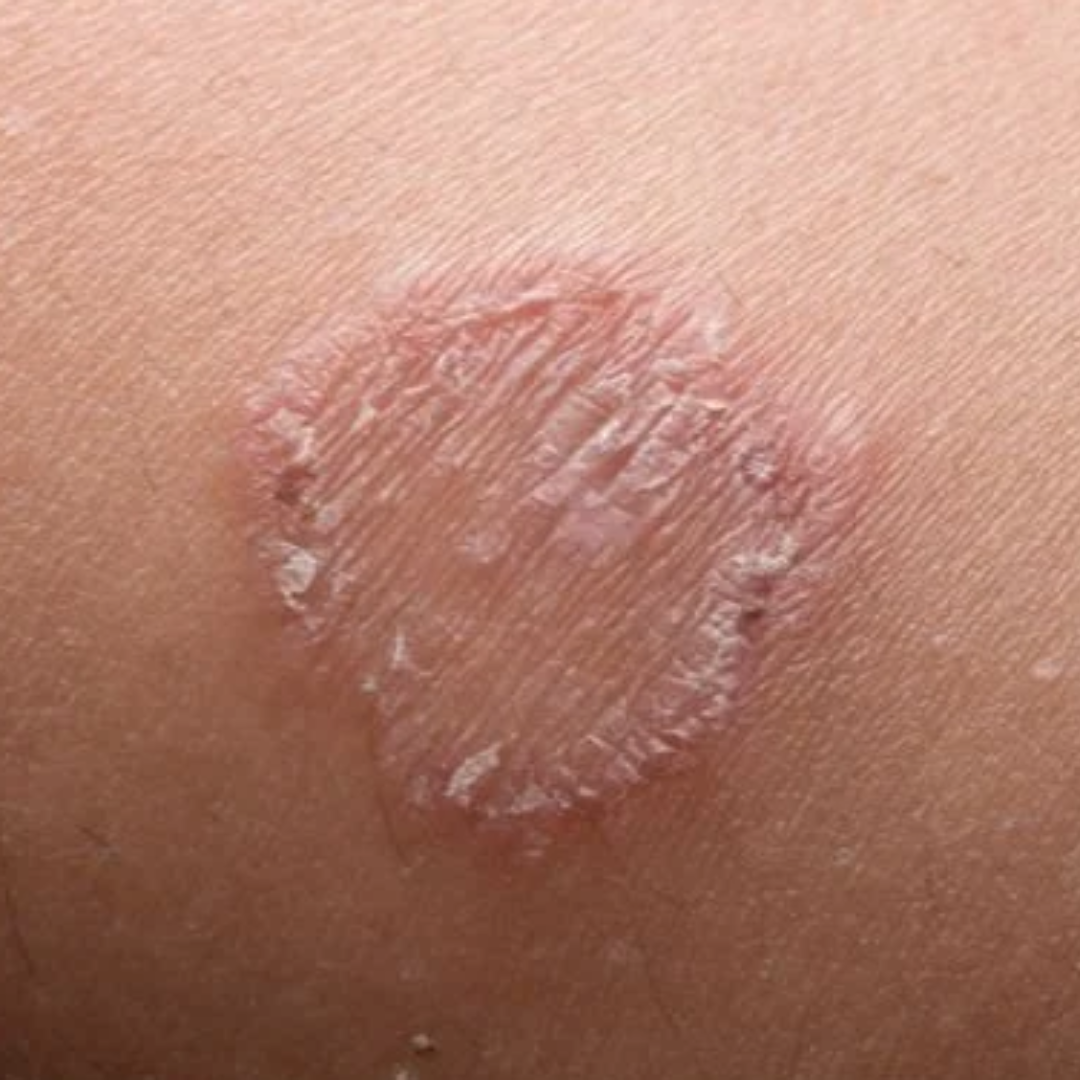
Overview: A red, circular, itchy rash caused by a fungus. Common on arms, legs, scalp.
Spreads By: Skin contact, shared mats, towels, or gear.
Treatment: Antifungal creams like Lotrimin or Lamisil, applied 2x daily for 1–2 weeks.
Return-To-Class: 72 hours after treatment starts AND must be covered during training. No open or scaly lesions.
More Info: CDC – Ringworm
Staph Infection / MRSA
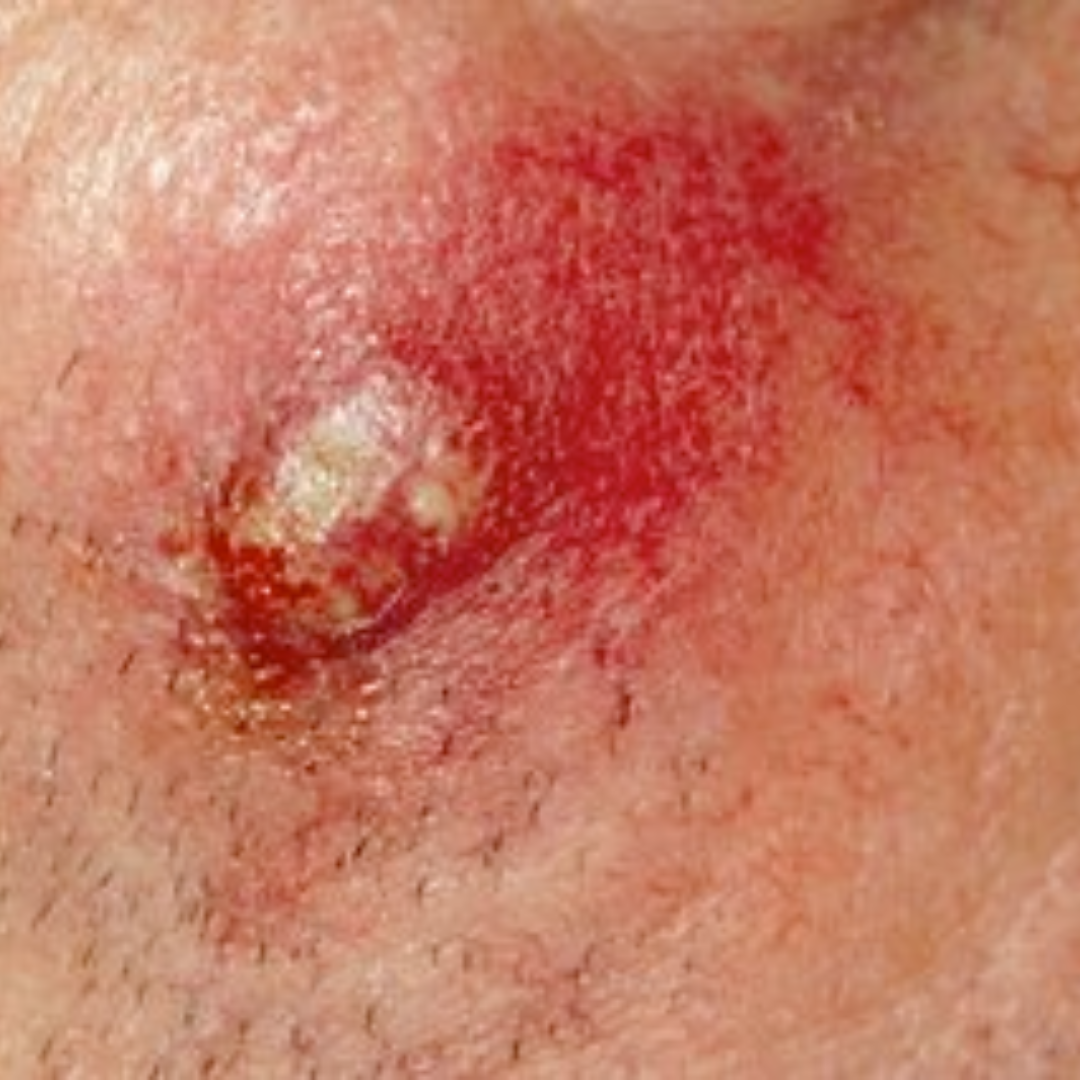
Overview: Bacterial skin infection; looks like red, swollen bumps or boils. May ooze or crust
Spreads By: Skin contact, shared equipment, or poor hygiene.
Treatment: Oral antibiotics; possibly draining by a doctor. Must be treated by a medical professional.
Return-To-Class: Only after full healing AND doctor clearance. All wounds must be sealed.
More Info: CDC – MRSA
Impetigo
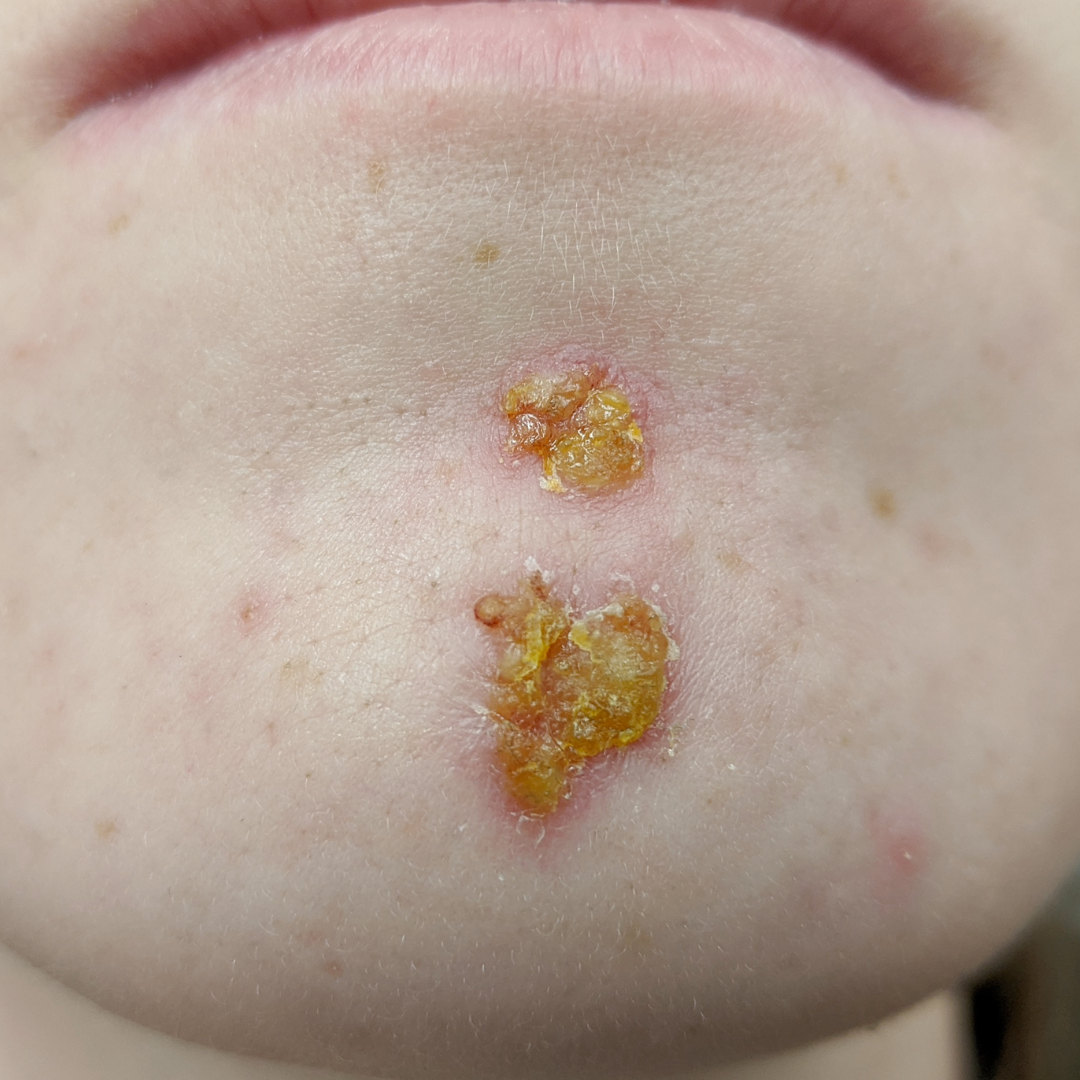
Overview: Bacterial infection with yellow scabs or fluid-filled blisters, mostly in kids.
Spreads By: Skin contact and shared surfaces.
Treatment: Prescription antibiotic cream or oral antibiotics.
Return-To-Class: 48 hours after antibiotics begin AND lesions are dry and scabbed over.
More Info: CDC – Impetigo
Molluscum Contagiosum
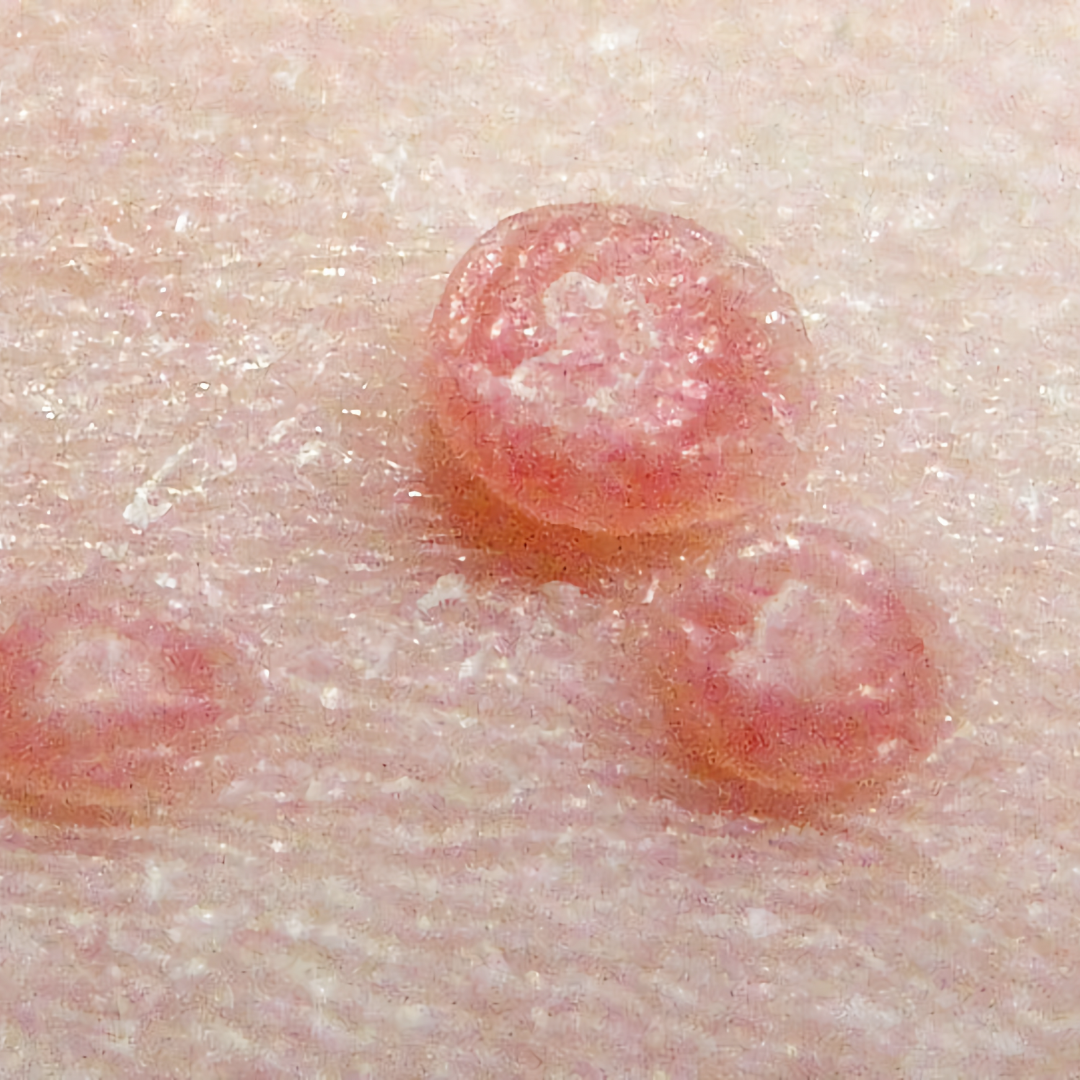
Overview: Viral infection with small, round, firm bumps — often with a dimple in the center.
Spreads By: Skin-to-skin contact and contaminated surfaces.
Treatment: May resolve over months, but dermatologists can remove or treat bumps to stop spread.
Return-To-Class: All bumps must be covered OR treated and gone. A doctor’s note is encouraged.
More Info: CDC – Molluscum
Hand, Foot, and Mouth Disease (HFMD)
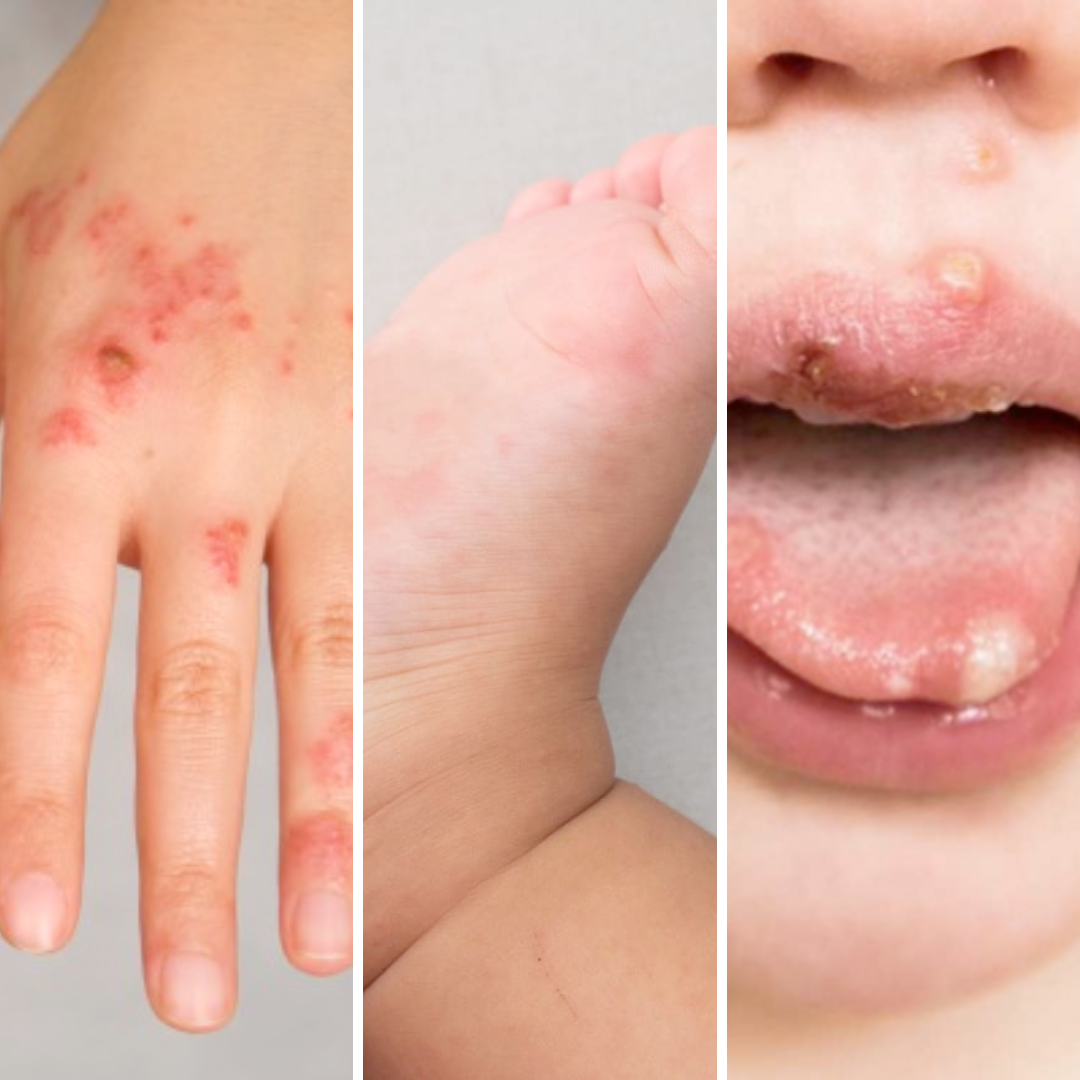
Overview: Viral illness with rash on hands/feet, painful mouth sores, and fever.
Spreads By: Saliva, mucus, and surface contact.
Treatment: Supportive care: fluids, rest, fever reducers. No medication to cure.
Return-To-Class: At least 24 hours fever-free, no mouth sores, rash mostly cleared.
More Info: CDC – HFMD
Poison Ivy (or Oak/Sumac)
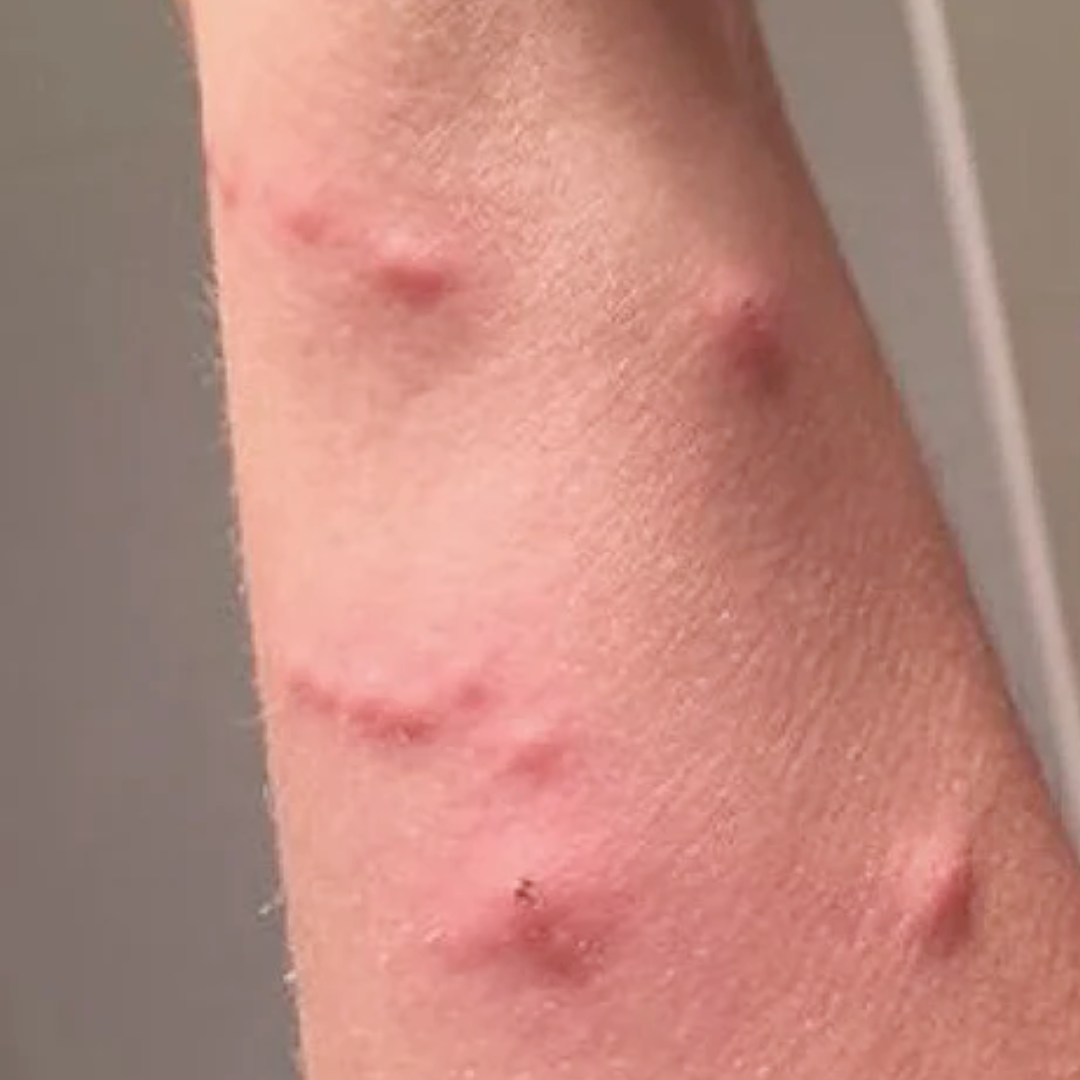
Overview: Allergic rash caused by plant oils. Red, itchy, sometimes blistering.
Spreads By: Not contagious — only spreads through plant oils, not person to person.
Treatment: Calamine lotion, hydrocortisone, antihistamines.
Return-To-Class: Okay if rash is not infected and is covered or drying up.
More Info: Mayo Clinic – Poison Ivy
Lice
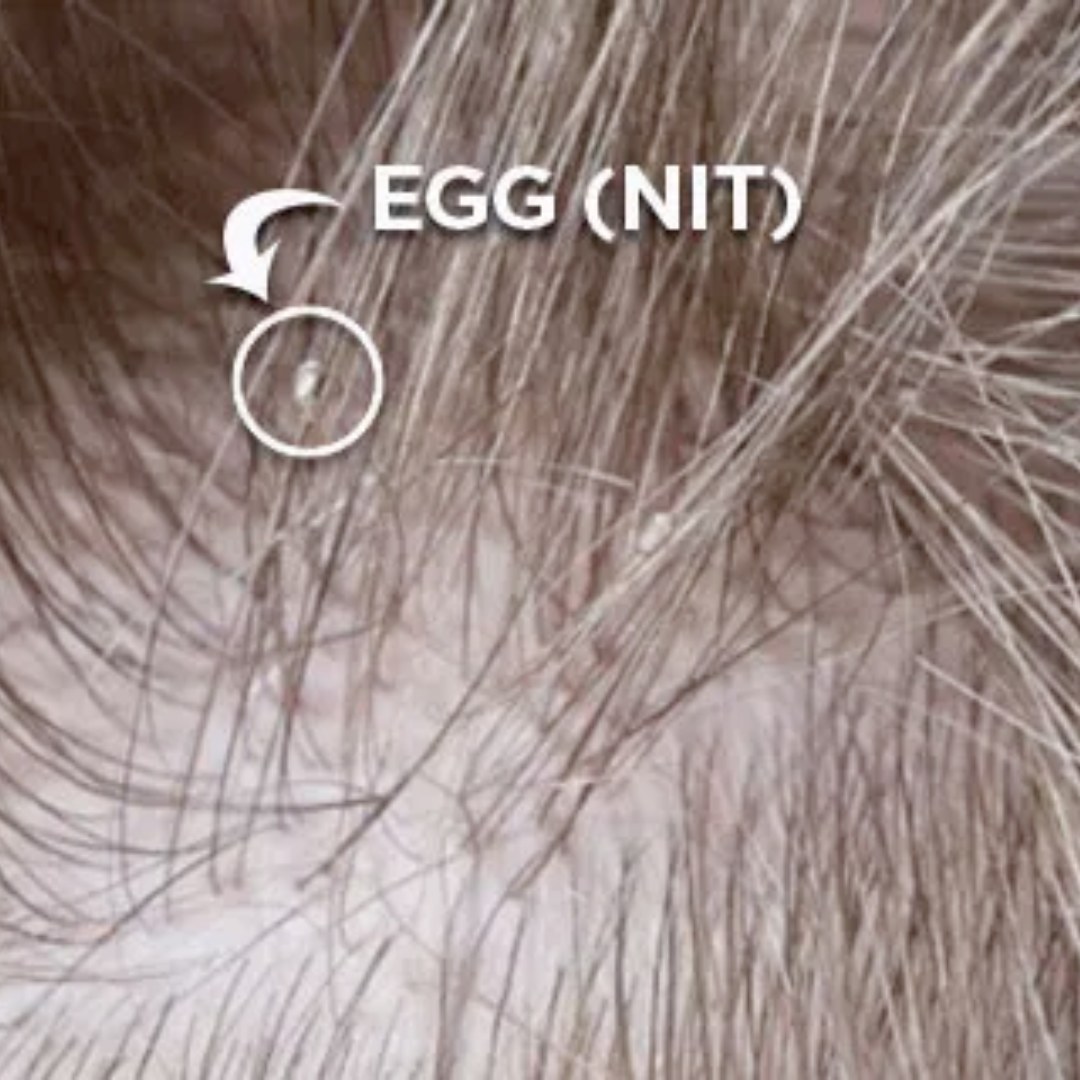
Overview: Tiny bugs that live on the scalp and lay eggs (nits) in hair.
Spreads By: Head-to-head contact, shared hats, pillows, headgear.
Treatment: Lice-killing shampoos and careful combing of hair. Deep cleaning of clothes and bedding.
Return-To-Class: After treatment and all lice/nits are removed. Clearance from school or doctor is helpful.
More Info: CDC – Lice
Cold Sores (Herpes Simplex Virus)
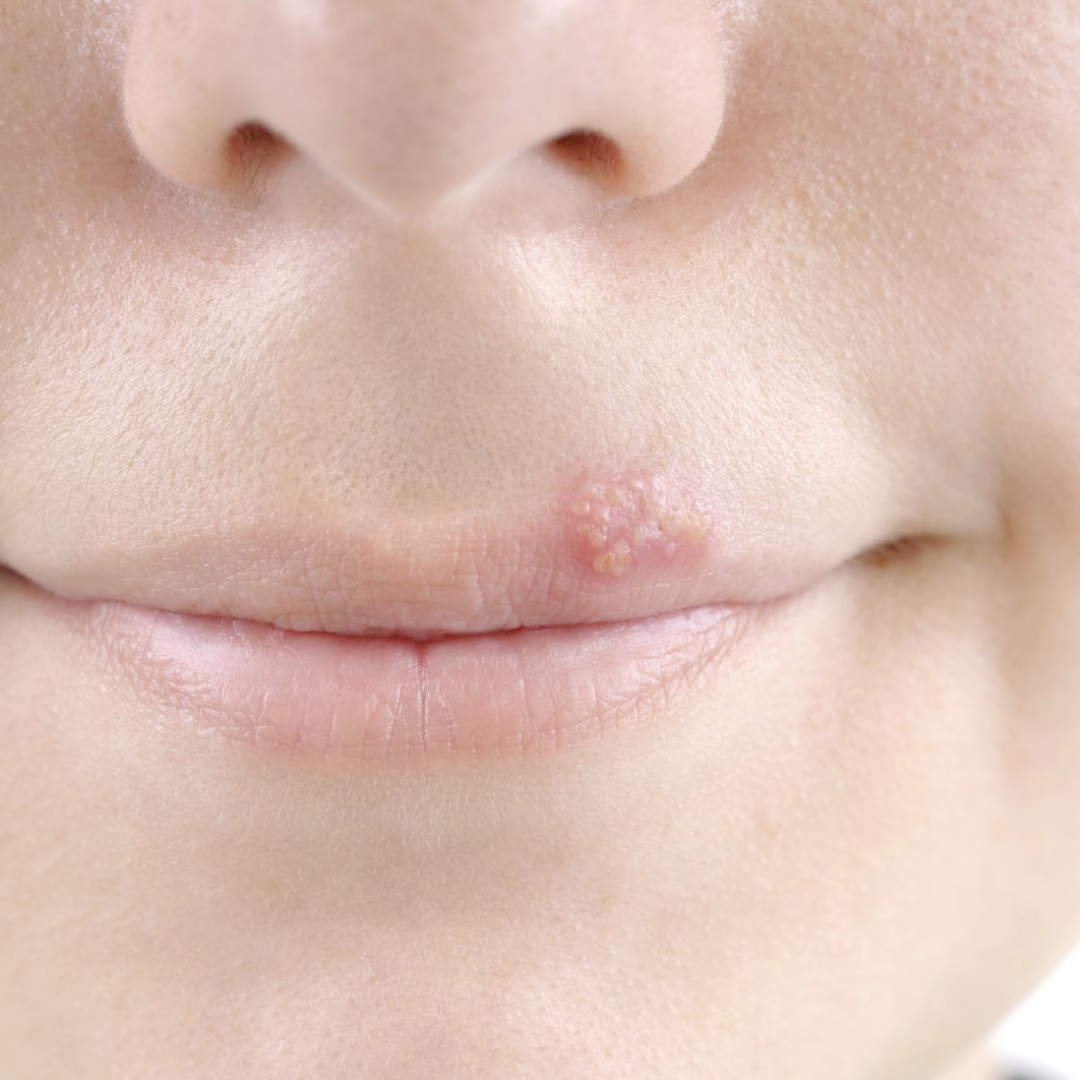
Overview: Fluid-filled blisters around the lips or mouth.
Spreads By: Skin contact, kissing, or contact with the sore.
Treatment: Antiviral creams or oral medication.
Return-To-Class: Only after sore is scabbed over and dry. Cover if possible.
More Info: CDC – HSV
Warts (Common or Plantar)
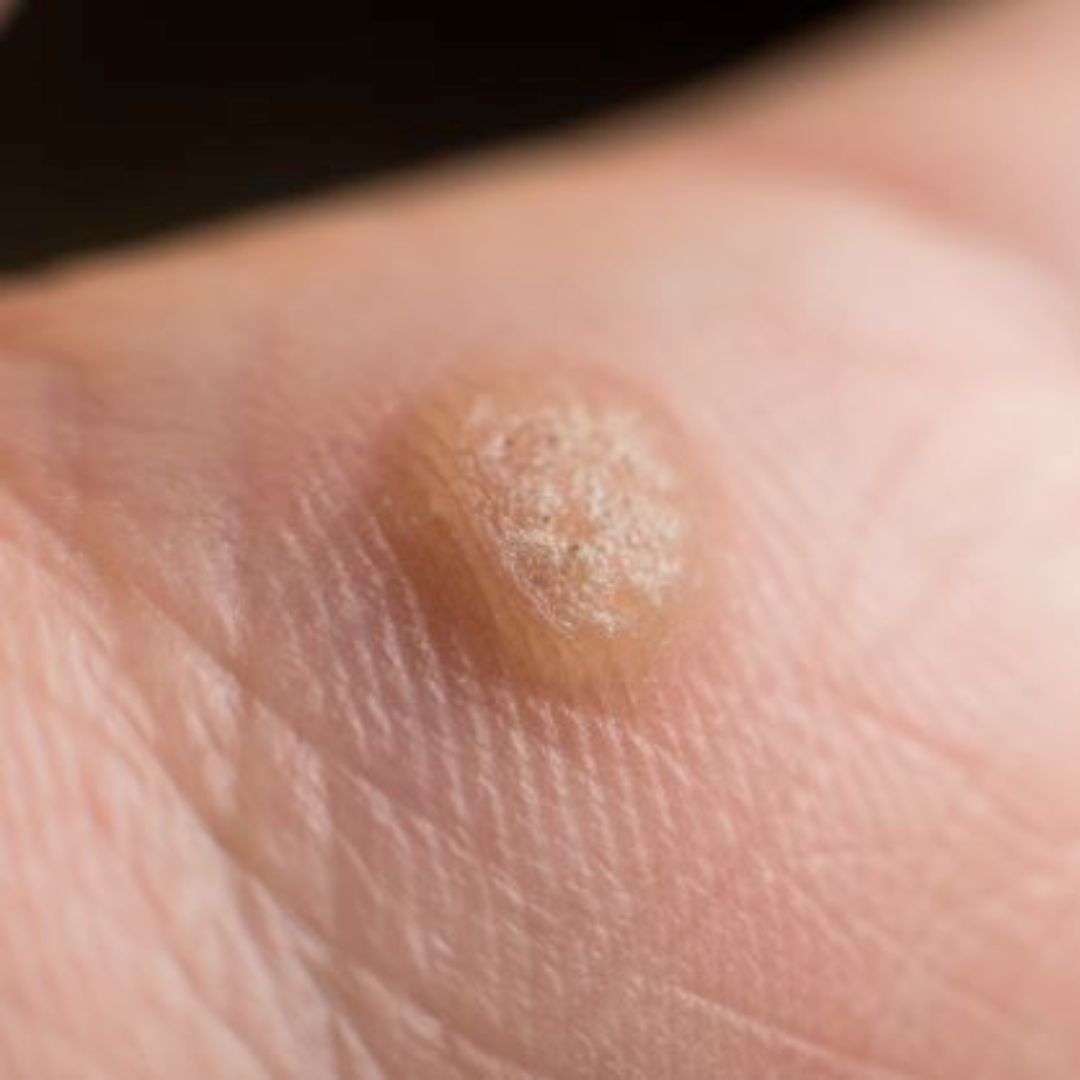
Overview: Small growths caused by the HPV virus, often on hands or feet.
Spreads By: Skin contact, contaminated floors (like locker rooms).
Treatment: Salicylic acid, freezing, or doctor removal.
Return-To-Class: Okay if not painful and covered. No bleeding/open areas.
More Info: CDC – Warts
Recommended Soaps & Products to Help Prevent Skin Issues
Good hygiene is your first line of defense against skin infections. Training in a clean environment helps — but what you do after class matters just as much.
Tip: Keep a gym bag with your soap, a clean towel, wipes, and a fresh change of clothes.
Wash rashguards, gis, and gear after every use — don’t let them sit damp overnight.
Here are some products we recommend that many of our members (and fighters) use:
Antifungal / Antibacterial Body Washes
- Defense Soap (Bar or Gel) – Widely used in BJJ/MMA. Tea tree oil-based.
🔗 defensesoap.com - Hibiclens Antiseptic Skin Cleanser – Stronger medical-grade option. Especially useful after known exposure.
🔗 hibiclens.com - Nizoral Anti-Dandruff Shampoo (Ketoconazole 1%) – Doubles as a body wash to fight ringworm and fungal infections. Great for use after open mats or high-sweat sessions.
🔗 Nizoral on Amazon (or pick it up at most drugstores)
Wipes for Post-Training (When You Can’t Shower Right Away)
- Defense Body Wipes – Good for wiping down exposed areas if you’re not showering immediately.
- Epic Wipes or DUDE Wipes (unscented) – Quick and easy after class.
Antifungal Creams (for Spot Treatment)
- Lotrimin AF (Clotrimazole) – Easily found at pharmacies.
- Lamisil (Terbinafine) – Stronger over-the-counter option.
- Tinactin – Spray and cream versions both work.
What Should I Do? Train or Stay Home
| Condition | Can I Train? | What You Need to Know |
|---|---|---|
| Ringworm (covered + treated) | ✅ Maybe | Must be covered AND on antifungal for 72 hrs |
| Open staph or impetigo | ❌ No | Highly contagious – doctor clearance needed |
| Molluscum (covered or gone) | ✅ Maybe | Bumps must be treated or fully covered |
| Poison Ivy (not infected) | ✅ Yes | If rash is healing and not weeping, it’s fine |
| Lice (before treatment) | ❌ No | Must complete treatment and remove all nits |
| HFMD / Cold Sores | ❌ No | Must be fully healed, scabbed over, or cleared |
| Not sure what it is? | ❌ No | Ask a coach or send a photo. Don’t risk it. |
Final Reminders for Everyone
When in doubt, keep your child home and consult a medical professional.
Just because one case seems “mild” doesn’t mean it won’t spread.
Help us protect your teammates by being proactive.
You can always send us a photo or ask a coach privately.
We’re all on the same team. Let’s act like it.